
Protecting Yourself from the “Jumped” Deposit Scam: A Guide for Mobile Money Users
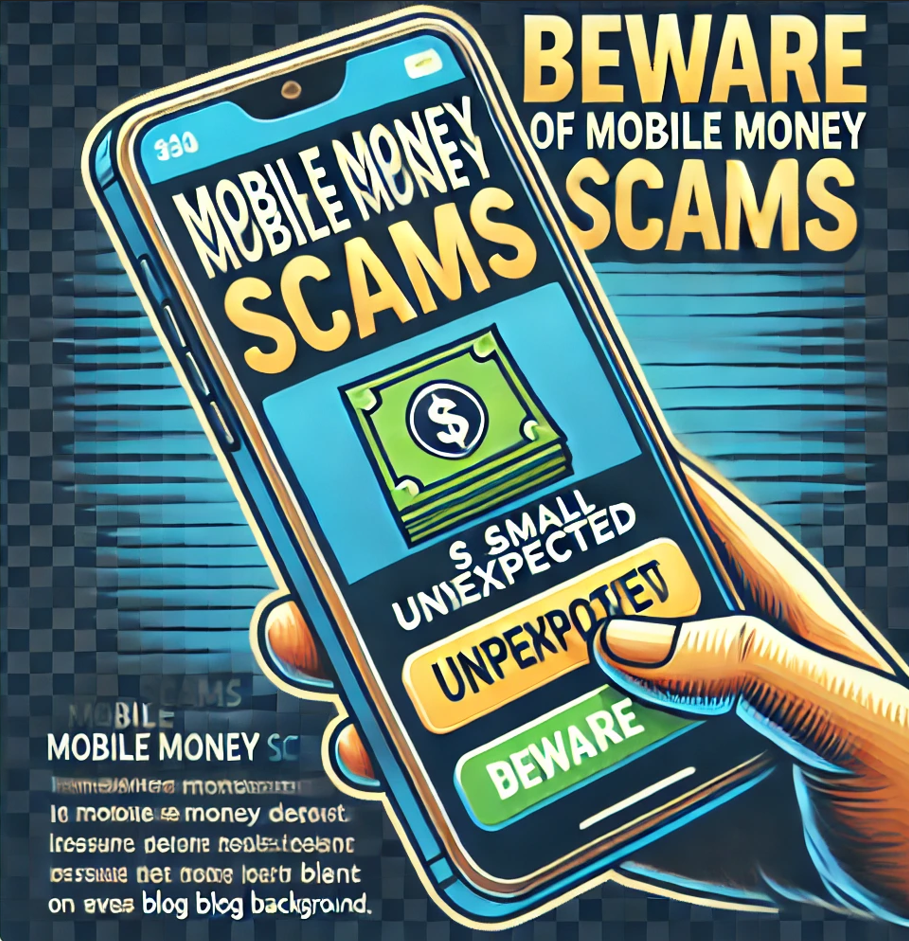
In recent times, scammers have found creative ways to exploit unsuspecting mobile money users, particularly through a technique known as the “Jumped” Deposit Scam. This scam, cleverly designed to lure users into inadvertently approving a fraudulent withdrawal, has been catching many people off guard. In this article, we’ll explain how this scam works, how you can protect yourself, and why forming smart habits around checking unexpected deposits can help keep your money safe.
How the “Jumped” Deposit Scam Works
The “Jumped” Deposit Scam is a form of trickery where the scammer sends a small, real deposit to your mobile money account or bank account, typically an amount like ₦20,000 or ₦30,000. Because this deposit is genuine, you receive an official alert for it, which can cause you to trust the transaction. The excitement of receiving a surprise amount can tempt you to immediately check your balance.
Here’s the scammer’s trick:
- After the Deposit: Right after sending you the money, the scammer initiates a withdrawal request from your account using their details.
- The Pin Validation: When you check your balance, you need to enter your PIN or security code. By doing this, you unknowingly authorize the pending withdrawal request.
- Outcome: Your account balance decreases as the scammer withdraws the funds, including the amount they sent and possibly more. The scammer effectively uses your curiosity and excitement about the unexpected deposit to gain access to your funds.
What Happens If You Don’t Enter Your PIN?
If you choose not to enter your PIN, the withdrawal request will eventually expire. Mobile money providers and banking systems usually set a time limit on pending transactions. If not validated, these requests will “time out” within 5–30 minutes, though this timeframe can vary depending on your mobile money provider.
If you don’t check your balance immediately, the money sent to you remains in your account, and the scammer’s withdrawal request will expire. Once it expires, they lose access, and you can safely assess the situation at a later time.
Tips to Protect Yourself Against the Scam
This scam is designed to exploit human nature, so protecting yourself means staying alert and forming smart habits. Here are some essential tips to safeguard your funds:
- Wait Before Checking Unexpected Deposits
Whenever you receive an unexpected deposit, resist the urge to check your balance immediately. Wait at least 15–30 minutes before entering your PIN or balance-checking code to see if the deposit is genuine. This allows any unauthorized withdrawal request to expire. - Use an Incorrect PIN First
If you receive a suspicious deposit and feel the need to check your balance, enter an incorrect PIN intentionally. This can help cancel any active withdrawal request, which would require validation from the correct PIN. Then, if you feel safe, re-enter your correct PIN to check your balance. - Contact Your Provider for Verification
If you receive an unexpected deposit, consider reaching out to your mobile money provider or bank’s customer service. They can verify if the deposit was legitimate or part of a scam attempt. - Be Mindful of “Too Good to Be True” Transactions
Remember that legitimate deposits from unknown sources are rare. Most unexpected deposits could be scams designed to gain your trust or curiosity. Avoid acting on excitement and stay cautious. - Don’t Share Your PIN with Anyone
This rule applies universally. Never share your PIN or verification codes with anyone, regardless of how authentic a transaction may seem.
Building Smart Habits: Developing a Routine
To help protect yourself from similar scams in the future, develop a habit of waiting to check your balance after receiving unexpected transactions. Setting a 30-minute wait time is often sufficient for most pending withdrawal requests to expire. Additionally, keep a record of transactions you’re expecting so that you can easily identify anything unusual.
Final Thoughts: Staying Vigilant
Mobile money and digital banking have made financial transactions more convenient, but they have also created new opportunities for scammers. The “Jumped” Deposit Scam relies on exploiting human behavior – our tendency to get curious or excited about receiving money unexpectedly. By forming cautious habits, such as waiting before checking unexpected deposits and verifying unusual transactions, you can protect yourself from these tactics.
Stay safe, stay vigilant, and remember: not every deposit is a gift.
#posbusiness #agencybanking #mobilebanking #posmoniepoint #startuppos #posstartups #sme #easybalance